We Asked PTOs for Their Best Book Fair Tips & Hacks—Here’s What They Had to Say
Get book fair tips, clever hacks, fun themes, and ideas from real PTOs to make your school book fair a hit! Plus, download our free student spending chart with sales tax included, so kids know exactly how much they have to spend.


Anyone who’s ever volunteered for the school book fair knows there’s more to it than simply putting out the books (and managing your smelly pencil and squishy inventory). There are the many questions you’ll field, like “Do I have enough for a poster?” and "What's sales tax?", and explaining why a $5 bill won’t cover a $5 book. And also: a bit of coin counting that'll bring you right back to 1989. 🤓
When it comes to running a school book fair, your PTO isn't just managing the logistics. You’re also trying to make the book fair a great experience for every student. So, we went straight to the source and asked PTOs in our community to share their best book fair tips, hacks, themes, and ideas. From a book fair student spending chart (with sales tax noted!) to lollipop pulls that help get more books into kids’ hands, we’ve gathered our favorite ideas here, along with practical tips from our own book fair experts.
Here are some of the best book fair tips and ideas from real PTOs 👇
Ways to make your school book fair inclusive for all students
One of the biggest reminders when it comes to the school book fair: not every student will arrive with money in their pocket. The below ideas shared in our community are great ways to make sure every student gets to leave the book fair with something to read.
- Use PTO-funded vouchers or coupons so students who don't have money can choose a book. Some PTOs will set aside donated funds specifically for this purpose. You can also ask teachers or the school librarian to quietly identify students who could use a little help.
- Find a business to sponsor the whole book fair. Instead of asking local businesses for a small donation, see if one company would cover a set amount per student and teacher—say, two books per student and two books per teacher. One school was able to a $1,000 book fair commitment from a local grocery chain and used it to make sure every student could leave with a book.
- Create a fund so that every student can shop. Invite families to donate to a fund that helps cover taxes or book purchases for students who are short on money, or invite students to round up their change to make sure every student can get a book. Recognize families that donate by displaying their names. Then, draw two names at the end of the fair; each winner gets to choose a book or trinket as a thank you for giving back to the school community.
- Bring extra PTO funds, just in case any students are a few cents or a few dollars short.
- Have a "$5 and under" display, and make sure there are plenty of lower-priced books available ranging from $3-$5. Also, stock up on extra journals and pencils that your PTO can sell for $1 so that there's something affordable for every student.
- Create a lollipop pull fundraiser during book fair and charge 25 cents per lollipop, with proceeds funding books for students who can't afford to shop. One PTO shared that this fundraiser became so popular that it eventually needed its own counter and line!
- Hand out “Caught Reading” tickets. Give teachers tickets to hand out when they catch students reading. Draw a few names, and let the winners spend $25 at the book fair on the last day. It’s a fun way to get kids excited about reading!
- Put clearance books or books under a certain price grouped together or mark them with a red sticker so kids on a tight budget can quickly find lower priced options. That way, when a student tells a volunteer, “I only have $5,” there's an easy place to direct them.
- In your communications out about the book fair, be transparent about where the money goes. If your book fair helps fund classroom books, library purchases, field trips, or other school programs, let families know! A quick explanation of how book fair proceeds benefit the school can help families understand why their purchases matter.
Help students budget (and keep that pesky sales tax in mind)
- Help kids avoid surprises at checkout with our customizable Book Fair Student Spending Chart printable, which shows how much they can spend before tax. Trust us...this saves a lot of confusion at checkout! Inspired by a post shared in our PTO & PTA Leaders Facebook community, we created a customizable book fair spending chart that your PTO can customize, print and display for students to use while they're shopping. Instead of doing math at the register, kids can check the chart and get a better idea of how much they can spend before tax. Simply update the formula with your state's sales tax rate (our example uses Massachusetts 6.25% sales tax).
- Keep some loose change on hand for students who come up a few cents short. Some PTOs opt to cover sales tax, too.
- The PTO corner of the Internet agrees: this is the best secret book fair hack ever! Round the price of each book up so that it already includes tax. Label shelves using painter's tape, and use a Sharpie to note the price below each book. This is a quick, easy way to label prices so that students can shop independently without worrying about calculating sales tax!
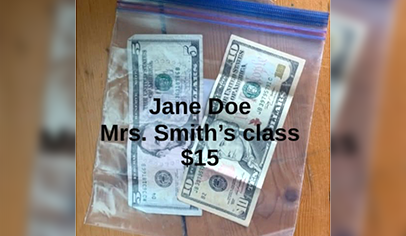
- Ask parents who plan to send in cash to send their child in with a Ziploc bag labeled with their name, their teacher's name, and how much money is enclosed. This makes sure their change gets home!
Managing inventory (the books...and the trinkets)
Book fairs can come with a surprising amount of stuff that isn't a book. Pens. Pencils. Diaries. Posters. SO MANY SQUISHIES. (Back in "the late 1900's", the hottest book fair trinket a kid could score was a lucky rabbit foot key chain!).
- Encourage books before extras. Suggest that kids choose a book first, then use whatever money they have left for diaries, smelly pencils, posters, stickers, squishies, and other extras. Some schools will encourage parents to send in a note with book fair money that says "books only!".
- Keep extra copies of high-demand books hidden rather than putting every copy on the shelf. Volunteers can pull them out as needed, which can prevent a popular title from disappearing into someone's backpack during preview.
- Put non-book trinkets and items in a display and keep the actual items behind the register for those students who want to purchase. Display trinkets and posters on a wall or behind the checkout area, and have a volunteer grab their selections when they’re ready to pay. That way, students can browse the small stuff without handling it.
- Drape tablecloths over the tables when the book fair is closed. A simple tablecloth can protect the display and keep things organized for when students and families return.
Combine the book fair with something families are already doing
If you want more families to shop, don't necessarily ask them to make one more trip to school. Several PTOs shared that their sweet spot is pairing the book fair with an event families are already attending—especially parent teacher conferences. That also means younger students have an adult right there to help with shopping and money...and yes, taxes. 🤓
- Open the book fair during parent teacher conference week, when there's a steady flow of shoppers that's not overwhelming
- Add family shopping hours to an existing school event
- Hold a family shopping night
- Invite parents in for coffee and a light breakfast to allow them to shop for last minute items on the last day of book fair
- Invite grandparents to shop during Grandparents Day
- Open the fair before or after the PTO meeting
- Add shopping hours before or after school
- Open on a Saturday or evening for families who can't make daytime hours
- Pair book fair with another family event, like "Bingo & Book Fair"
Make your book fair part of a bigger literacy-themed event
A few small activities can turn “come shop” into “come hang out with books and have fun!” A few ways to turn your book fair into a literacy event:
- Breakfast With Books: have breakfast treats available with morning shopping
- "Pop Open a Book: evening book fair with free popcorn for attendees
- Pajamas & Books: invite families to come in PJs for stories and shopping
- Reading Under the Stars: flashlights, blankets, tents, snacks, and books
- Grandparents & Books: shopping plus a craft or photo opportunity
- "Read Aloud Day" or story stations: have teachers, parents or community members read different books in different rooms
One PTO uses a passport-style activity where kids visit literacy stations and collect stickers. Once their passport is complete, they receive a small prize.
Another idea we loved: a mystery book station - a fun spin on "Blind Date with a Book". Wrap books in brown paper and put a short description, character clues, or genre hints on the outside. Kids choose based on the clues rather than the cover.
Give your book fair a theme
A theme can make an ordinary book fair feel like an exciting event! Popular book fair themes include:
- Chill Out With a New Book: Think igloos (made out of empty water gallons), seals, narwhals, penguins and ice bergs
- Rainforest
- Wild About Reading/Reading Safari
- Circus
- Adventure Awaits: Maps, passports, explorer gear
- Camp Read-a-Lot: Tents, lanterns, sleeping bags
- Outer Space: Stars, planets, astronauts
- Under the Sea: Fish, bubbles, ocean creatures
- Mystery & Detective: Magnifying glasses, clues, detective signs, a wrapped "mystery book" station
- Around the World: Maps, travel signs, “passport” activities
- Get Lost in a Good Book: Forest or adventure-inspired decor
- Book Character Mashup: Students help create displays featuring favorite characters
- Disco or Book Bash: Music, balloons, and a party atmosphere
- Glow Book Fair: A book fair held under black lights
- Alice in Wonderland
Look for ways to make the decor reusable. Think student-created artwork, paper decorations, painted signs, cardboard props, and simple backdrops. And, don't forget the entrance. A themed doorway or simple archway can make the room feel completely different before a student even sees the books!
Book fair add-on activities
Book and literacy-themed activities keep kids engaged, so that they can do more than just shop.
- Add a “Mystery Book” station with books that are wrapped in brown craft paper and labeled with clues about the story, genre, or characters (think blind date with a book). This is especially popular with middle and high schoolers! And make room for reluctant readers with displays for graphic novels, humor, series starters, nonfiction, sports, mysteries, and other high-interest categories.
- Ask students for reviews and recommendations. A handwritten “I loved this book because…” sign is much more persuasive than a fancy display!
- Have a "guess the number" jar: have students guess how many items are in a jar, with books as prizes at different reading levels.
- Bookmark making or coloring
- Book-themed coloring pages
- “Which book character are you?” activities
- A scavenger hunt
- Student book recommendations and display with reviews
- “If you liked this, try this” displays
- A photo booth
- Genre challenges
- A “books under $5” hunt
Give teachers a reason to shop
Teachers can be some of your best book-fair customers—and the books they choose can go straight into classroom libraries. A teacher wish list is a simple way to make that happen.
- Create a large display with every teacher's name and a pocket containing cards with requested book titles. Families can purchase a book from the list and donate it to that teacher's classroom.
- Have teacher gift bags: teachers create wish lists, families purchase books during the fair, and volunteers put the books into labeled bags for teachers to pick up later.
- If your PTO has book fair funds or another source of money for classroom supplies, consider setting aside some of it for teacher requested books, too.
Make preview day actually useful
Student preview time can either help kids make thoughtful choices or become a free-for-all involving every pencil and squishy on the table!
- Make preview day books-only. Save the trinkets and accessories for actual shopping time!
- Let students walk through the book fair, write down titles and prices, and take their wish lists home. Your PTO can make the process even easier by giving students a simple wish list sheet that includes space for Book title, Price, Tax, Total, “Want it!” or “Maybe!”.
Recruit volunteers for small jobs (and tap into student helpers)
“Volunteer at the book fair” sounds like a much bigger commitment than it needs to be! Instead, break the work into small jobs and shorter shifts, like:
- Book fair set up
- Restock books
- Help younger students find books
- Check wish lists
- Run a register (aim for at least four or five volunteers and two registers so lines don’t back up)
- Help students calculate spending
- Staff family night
- Deliver teacher books
- Clean up at the end of the day
More tips for recruiting volunteers:
- Give volunteers a book fair discount. Offer volunteers $10 off their purchase as a thank-you for helping out. Make the discount valid only during the shift they’re working.
- Use student helpers strategically. Older students can be terrific at finding books, straightening shelves and helping younger kids find and select books. One school with hundreds of students shared that they have a few volunteers at checkout and several student helpers on the floor. The helpers can find books, help with wish lists and answer basic questions while the adults concentrate on the registers.
Make checkout less painful
- Test your registers and check out system before the book fair opens. And then test them again the morning of the fair. If something isn't working during setup, contact your book fair company or provider right away.
- Check the Wi-Fi. If your checkout system relies on an internet connection, you don't want to discover a problem when a line of kids is waiting.
- Sketch your floor plan ahead of time. Think about where students enter, where they browse, where accessories go, and where checkout happens.
- Keep popular books stocked. If you know a particular series is going to disappear immediately, keep extra copies somewhere volunteers can access them.
- Consider using e-wallets. E-wallets can be easier for students than carrying cash around during the school day. Printing students' available balances can save time and eliminate some guesswork.
- Buy bags in bulk. Pick up a box of inexpensive shopping bags online so students can easily carry their purchases. Some PTOs provide students with labeled Ziploc bags to hold their money, change, and receipt.
Make wish lists work harder
- Students can use wish lists to remember titles they want to ask a parent or caregiver about later. Encourage teachers to try a "Book Fair Budget Challenge" activity, where each student is given a list of books and prices to browse, and a pretend budget to “spend” (for example, $43). The goal? To get the most books without going over budget! Add the sales tax calculation for extra credit 😁
- Encourage teachers to use wish lists to request books for their classroom library.
- Let families know they can also use wish lists to shop for teacher donations, too. Your PTO can even create a “Books I Want for My Classroom” display for teachers if you're hosting book fair after hours for families to shop. If families are buying books for teachers, label purchases for teachers so that it's obvious whose classroom each book belongs to!
Try a little fundraiser within the fundraiser
The lollipop pull we shared earlier is just one example, but your PTO can build other small fundraising activities into the fair, too. The key is to connect the fundraiser back to literacy when possible.
- Lollipop pull (some schools also use miniature resin animal figures): buy a lollipop, help another student get a book
- "Guess the number" jar
- Book-themed raffle
- Bookmark fundraiser
- “Buy a book for another student” donation
- Mystery book fundraiser
- Classroom book donation drive
- Coin drop (check out the video below!)
Build a reusable book fair toolkit
One of the smartest ideas we heard wasn't about shopping at all. A school wanted to create a story walk for literacy week and its book fair. Instead of repeatedly buying or renting displays, the school built its own reusable display stands. That's the kind of investment that can pay off year after year!
Consider keeping a labeled book-fair storage area with the supplies below. That way, the next time the book fair rolls around, you're not starting from scratch.
- Reusable signs
- Tablecloths
- Theme decorations
- Photo booth props
- Bookmark templates
- Guessing game supplies
- Teacher wish list materials
- Book fair passports
- Directional signs
- Shopping calculators or spending charts
- Reusable display stands
- Extension cords and power strips
- Scissors, tape, markers and other setup supplies